
TIGER’S EYE

Original price was: $50.00.$30.00Current price is: $30.00.
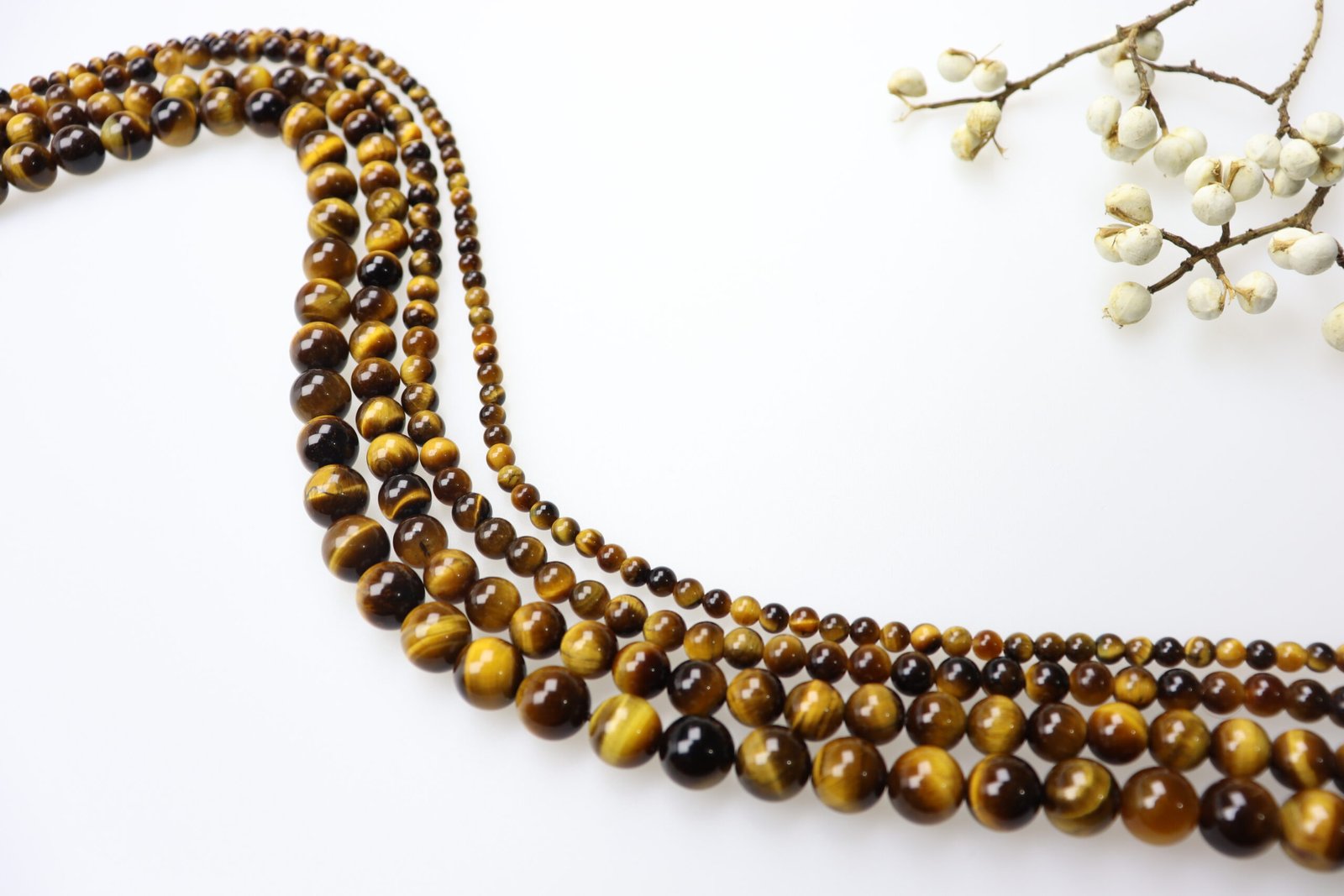
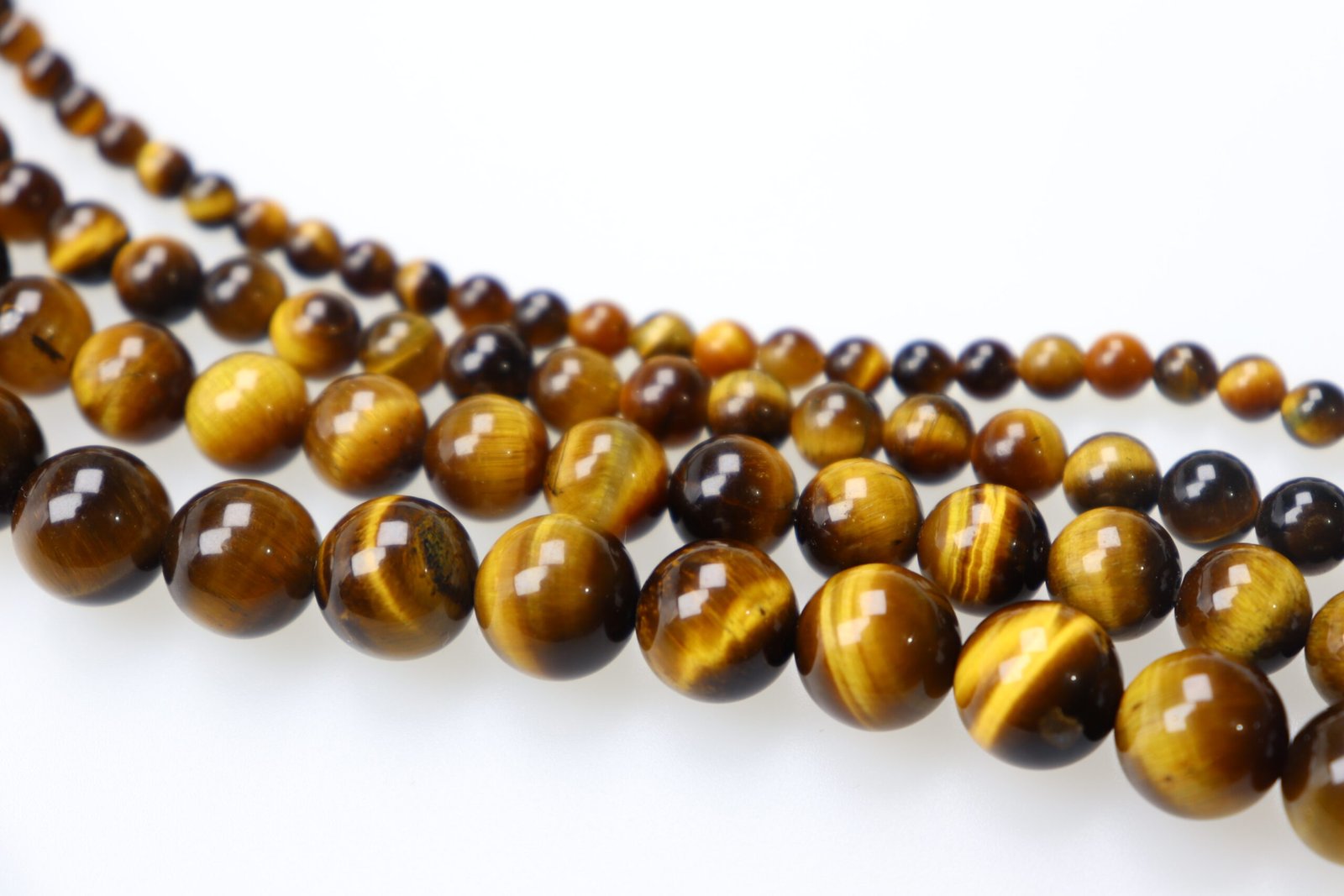
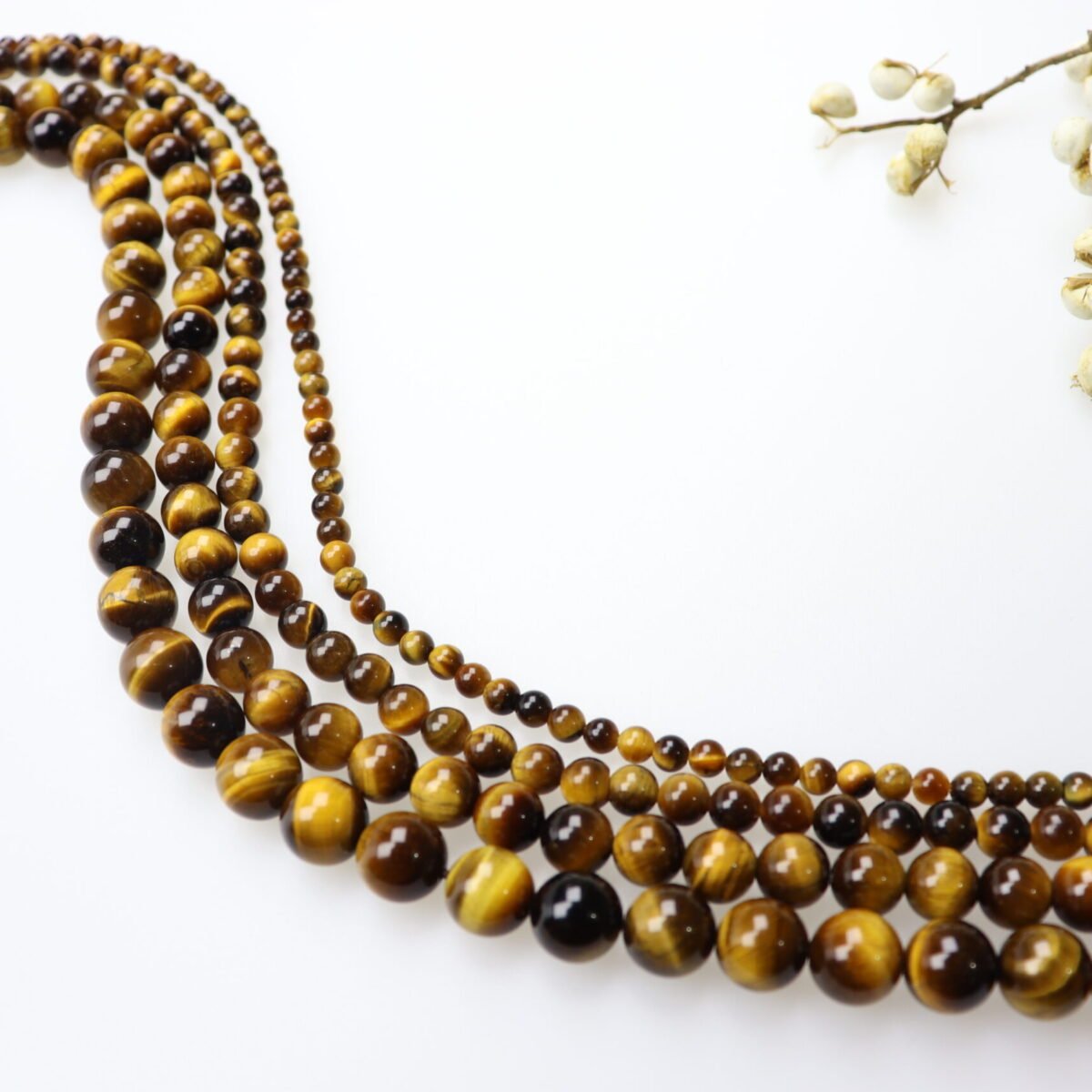
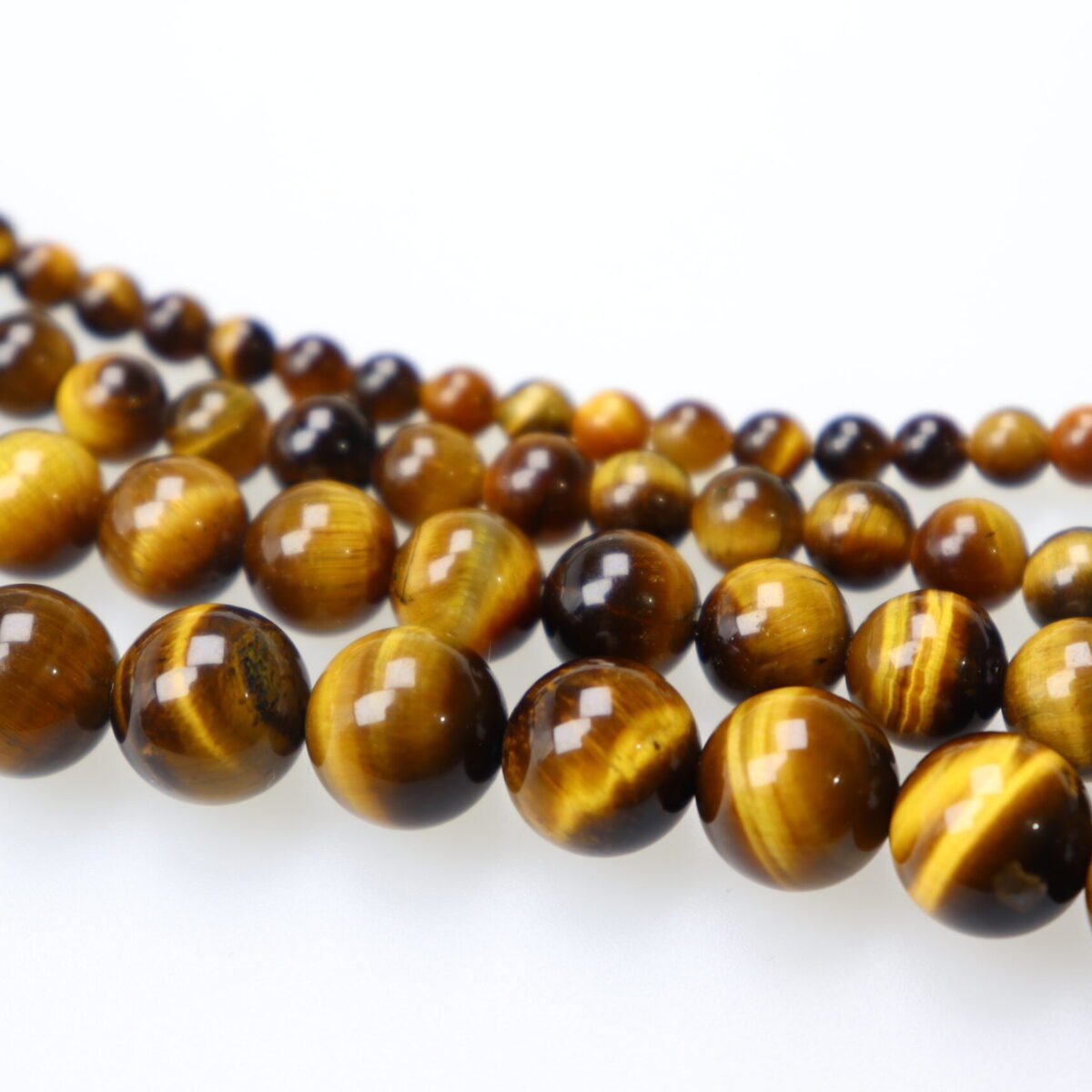
Tiger’s Eye is a golden-brown, silky, and chatoyant gemstone known for its striking light-reflective effect called chatoyancy, which gives it the appearance of a moving “cat’s eye.” It is a popular stone in jewelry, spiritual practices, and mineral collections.
100 in stock
Geological Information
-
Family / Group: Quartz (silicate mineral)
-
Composition: Silicon dioxide (SiO₂)
-
Formation: Formed when the mineral crociodlite is replaced by quartz while preserving the fibrous structure, giving it the distinct shimmering effect.
-
Hardness: 6.5–7 on the Mohs scale
-
Lustre: Silky to vitreous
-
Crystal System: Trigonal
-
Color: Gold, brown, honey, yellow, sometimes red or blue
-
Chatoyancy: Caused by aligned, fibrous structures that reflect light in a band.
Physical Appearance
-
Golden bands with a moving shine when turned in light
-
Fibrous, layered patterns
-
Often cut as cabochons or tumbled stones
-
Sometimes heat-treated to enhance red tones (“Red Tiger’s Eye”)
-
Blue variant is called Hawk’s Eye
Common Localities
Found mainly in:
-
South Africa (largest producer)
-
Australia
-
India
-
Namibia
-
Brazil
-
USA
Uses
Practical Uses
-
Jewelry (rings, pendants, bracelets, beads)
-
Decorative carvings and sculptures
-
Tumbled stones for collections
Spiritual / Metaphysical Uses (if you want this too)
-
Associated with confidence, willpower, grounding, and protection
-
Used to “ward off negative energy”
-
Many people believe it boosts courage and mental clarity
(If you don’t need metaphysical properties, tell me and I’ll remove them.)
How to Identify Real Tiger’s Eye
-
Look for the moving band of light when you tilt it
-
Fibrous structure visible under strong light
-
Feels cool and heavy (glass fakes feel lighter)
-
Should not have perfectly straight repeating patterns (that indicates synthetic material)
Care Tips
-
Clean with mild soap and water
-
Avoid harsh chemicals
-
Store separately because it can scratch softer stones, but harder stones (like quartz or topaz) can scratch it
Be the first to review “TIGER’S EYE”
Related products

Reviews
There are no reviews yet.